
Vendemianus of Bithynia
Our Venerable Father Vendemianus the Hermit of Bithynia
Venerable · b. 5th century, in Mysia — d. c. 512, on Mount Oxia near Chalcedon
Commemorated 1 February — Repose on Mount Oxia in Bithynia
Vendemianus (Bendimianos) of Bithynia was an ascetic of the late fifth and early sixth centuries, a disciple of the great ascetic Auxentius of the mountain near Chalcedon. Born in Mysia, he came in his youth to Saint Auxentius, and after his master's repose withdrew to the same Mount Oxia above Chalcedon in Bithynia, where he shut himself into a narrow rock-cell and lived out forty-two years of prayer, fasting, and stillness, adorned with the gift of wonders. He reposed in peace about the year 512, and is commemorated on February 1.
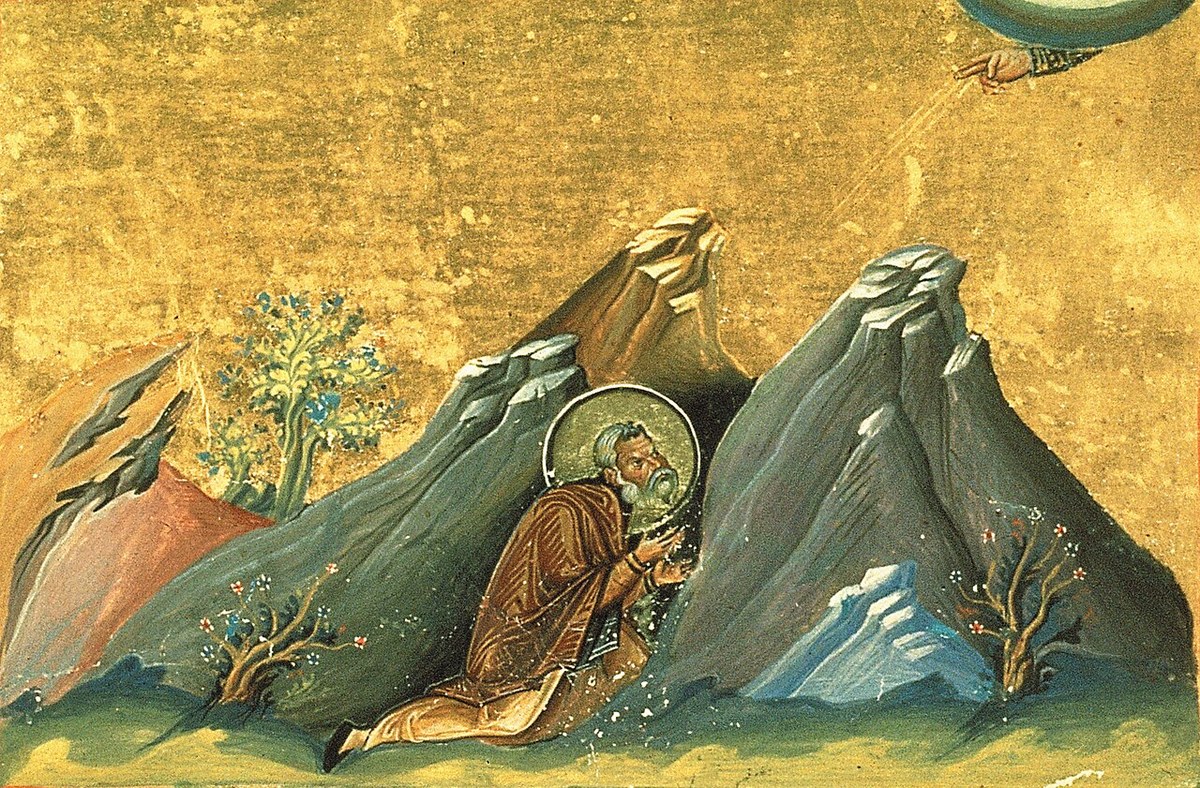
.jpg)
Vendemianus was a native of Mysia, in north-western Asia Minor. Drawn in his youth to the ascetic life, he attached himself as a disciple to Saint Auxentius — the renowned hermit and defender of the faith of the Fourth Ecumenical Council (Chalcedon, 451), whose own cell was on the mountain above Chalcedon in Bithynia and who is commemorated on February 14. Under this master Vendemianus was schooled in the monastic warfare.
After the repose of Auxentius, Vendemianus did not return to the world nor seek any higher place, but took up his own solitude on the same holy mountain — Mount Oxia, near Chalcedon — where he enclosed himself in a small cell hewn from the rock, barely able to hold him. There, the tradition says, he persevered for forty-two years in unbroken asceticism: continual prayer, rigorous fasting, and the stillness of the hesychast, contending against the passions and against the assaults of the demons. God rewarded his labour with the gift of wonders and healings, so that the sick and the troubled came up to his mountain and went down again consoled and cured.
Having grown old in this hidden life, he reposed in peace about the year 512. His memory was kept in Bithynia and passed into the Byzantine synaxaria, and the Menologion of Basil II preserves a tenth-century portrait of him among the saints of February 1.
Feast and commemoration
Vendemianus is commemorated on February 1 (church date; New Calendar civil February 1, Old Calendar civil February 14), among the venerable fathers of the day, together with the Martyr Tryphon of Campsada, Peter the Hermit of Galatia, and the forefeast of the Meeting of the Lord. The Greek Menaion and the Slavic and OCA calendars keep him on this day (his master Auxentius is kept thirteen days later, on February 14).
Hymns
Troparion — Tone 8
By a flood of tears thou didst make the desert flourish, and by thy deep sighs thou didst bear fruit a hundredfold in labours, and thou becamest a beacon, shining upon the world by thy wonders, O Vendemianus our righteous father. Intercede with Christ our God that our souls may be saved.
Original translation from the Greek
Iconography
Vendemianus is depicted in the type of the ascetic father — an aged, bearded monk in the schema, gaunt from fasting, at his rock-cell or raising his hand in blessing.
The stored image is the Menologion of Basil II miniature for February 1 (Constantinople, c. 985; Vatican, Vat. gr. 1613): the venerable Vendemianus of Bithynia (source, public domain, pd-old-work).